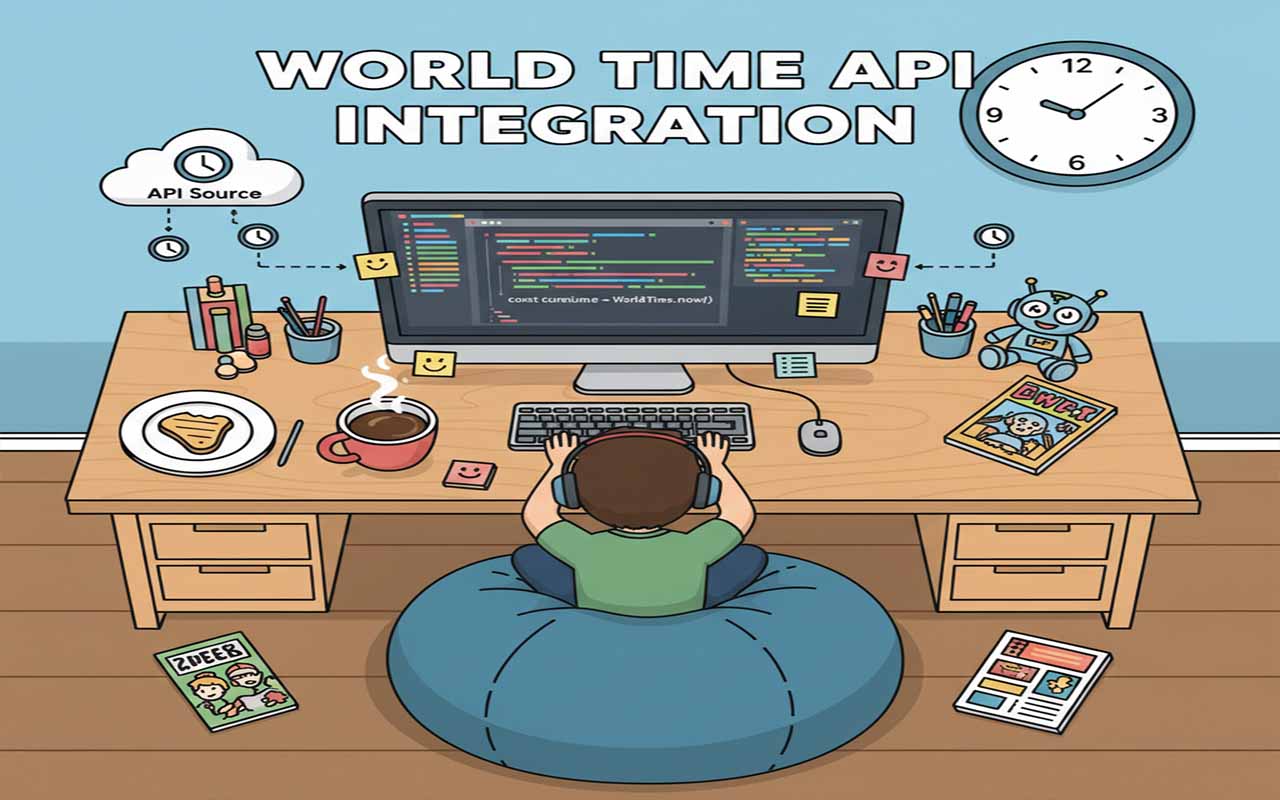
Time often feels invisible on websites and social media tools until something goes wrong. A post appears earlier than expected. A live stream countdown ends before anyone joins. A global user misses an event even though they followed the instructions carefully. These moments create frustration, yet the cause usually hides deep in how time is handled behind the scenes.
As audiences grow more international, developers see the limits of relying on local server time. What works well for a single region starts to break when users join from different countries. Scheduling, publishing, and live features all depend on consistent time data. When that data drifts or feels unclear, trust fades quietly. Many developers start by observing how global time behaves through references like time.now before deciding how to design time logic into their systems.
Quick Overview
Accurate time keeps websites and social tools predictable for global users. World time APIs provide a shared reference across regions and platforms. Integrating live time data reduces errors, support issues, and user confusion
Why Local Server Time Breaks Down for Global Products
Local server time feels dependable because it is always available and easy to access. Yet it reflects the server’s location, not the user’s. A website hosted in one country may serve visitors from dozens of time zones. That gap becomes visible the moment time-sensitive features appear.
Browser time does not offer a reliable alternative. Users can adjust their device clocks manually. Some devices drift over time. Others apply daylight changes differently depending on operating system or region. These differences create silent errors that rarely trigger alerts.
Publishing and automation reveal these problems first. A scheduled post might publish at the wrong hour for part of the audience. A countdown timer may reach zero too early or too late. Developers trying to optimize posting time zones often discover that unreliable time data undermines strategy long before content quality becomes the issue.
Key Benefits of Integrating Time Directly on Websites
Integrating live time data changes how users experience a website. Accuracy alone creates confidence. When users see current time displayed clearly next to events or updates, they feel grounded. They trust that the site reflects reality rather than static assumptions.
Clear time also reduces confusion around deadlines and launches. Global users no longer need to guess whether a date applies to their location. They can orient themselves instantly. This clarity matters during live streams, product releases, or limited-time offers.
Automation improves as well. Notifications, reminders, and scheduled posts rely on dependable time signals. When those signals remain consistent, fewer edge cases appear. Support teams receive fewer messages about missed sessions or unclear timing. Developers spend less time debugging issues tied to mismatched clocks.
Many teams see value in simple visual cues too. Showing local time next to a live stream or event banner helps users feel connected. Countdown timers tied to real world time prevent disagreements between backend logic and frontend displays.
What World Time Data Solves That Local Time Cannot
World time data provides a shared reference that local clocks cannot match. Instead of relying on one server or one browser, developers work with a global source that reflects real world time consistently.
Accurate timezone offsets play a central role. Each location follows its own rules. Daylight changes vary by country and sometimes by region. World time data handles these changes automatically, which removes the need for custom logic.
This approach also simplifies maintenance. Rather than tracking offset updates manually, developers rely on structured data that stays current. Systems remain easier to reason about as products grow and audiences diversify.
How Developers Integrate World Time APIs Into Websites
Integration often begins with a simple request. Developers fetch current time data programmatically and receive structured responses that include timezone and daylight details. These responses typically arrive in JSON, which fits naturally into modern web frameworks.
Once retrieved, time data flows across frontend and backend systems. A single reference keeps displays, schedules, logs, and triggers aligned. This alignment matters when users interact across regions and devices.
Many teams rely on a world time API to bridge application logic with real world time. It supplies current time, timezone information, and daylight status without forcing developers to maintain complex rule sets themselves.
Common Use Cases in Social Media and Community Tools
Social platforms depend heavily on timing. Scheduling posts across regions requires clarity. Displaying event start times needs precision. Community tools rely on predictable clocks to coordinate discussions, launches, and live activities.
Time integration prevents confusion in chats and forums. Users know when an event begins and ends. Moderators can plan confidently. Community managers avoid follow-up messages clarifying missed sessions.
This clarity also supports campaign scheduling workflows. When time data stays consistent, teams focus on content quality and engagement rather than troubleshooting timing mismatches.
Handling Time Zones and Daylight Changes Programmatically
Manual offsets seem manageable until they fail. Daylight rules differ by country and change over time. Some regions never observe daylight shifts. Hardcoded values often break without warning.
APIs reduce this risk by adjusting automatically as rules change. Developers no longer need to track seasonal updates or apply emergency fixes. Systems remain stable with less effort.
This approach mirrors how teams adapt to platform changes. Systems designed for change stay reliable. Those built on fixed assumptions struggle as conditions evolve.
Performance and Reliability Considerations
Developers often worry about performance impact. Time data does not require constant refresh. Smart caching strategies keep systems responsive while preserving accuracy. Short cache windows strike a balance between freshness and efficiency.
Fallback handling also matters. If a request fails, systems should degrade gracefully. Clear defaults prevent user-facing errors. Keeping time consistent across services reduces subtle bugs that surface only under load.
Standards Behind Global Time Coordination
Behind every world time service stands a shared framework of global rules. International coordination ensures that applications interpret time consistently across borders.
The time zone database maintained by global authorities forms the backbone of these systems. It defines how time zones behave and how changes propagate. Referencing these standards adds stability and confidence to any implementation.
Building Reliable Time Into Digital Experiences
Time accuracy works best when treated as infrastructure rather than decoration. Integrating live world time data simplifies logic, reduces confusion, and strengthens trust across regions.
For developers building websites and social media tools, a reliable time foundation supports every feature built on top of it. When time stays accurate, users stay confident, and systems remain easier to maintain.










No responses yet